
Supreme Court to Hear Glyphosate Case
The Supreme Court announced that they will hear the high profile Durnell Roundup case, which prompted their stock to jump over 6% last Friday. Bayer’s stock has now increased over 60% in the last three months because of investor optimism surrounding their fight to remove all glyphosate liabilities. Bayer CEO Bill Anderson, who pushed for the Supreme Court to hear the case, welcomed the news. Anderson released a statement saying, “it’s an important step in our multi-pronged strategy to significantly contain this litigation. It is time for the U.S. legal system to establish that companies should not be punished under state laws for complying with federal warning label requirements.”

The case boils down to Bayer believing that federal law supersedes failure to warn claims against glyphosate. Lawsuits against Bayer and other agrochemical producers argue that the companies failed to warn applicators of the herbicide’s risks to health, crops, and wildlife. The companies believe that the Federal Insecticide, Fungicide, and Rodenticide Act (“FIFRA”) should preempt state laws that would hold pesticide manufacturers liable for chemical damages when there aren’t warnings on the label. Conveniently, pesticide labels adhering to FIFRA don’t bear adequate warnings of the health and environmental risks since agrochemical companies submit their own safety data and labels to the EPA.
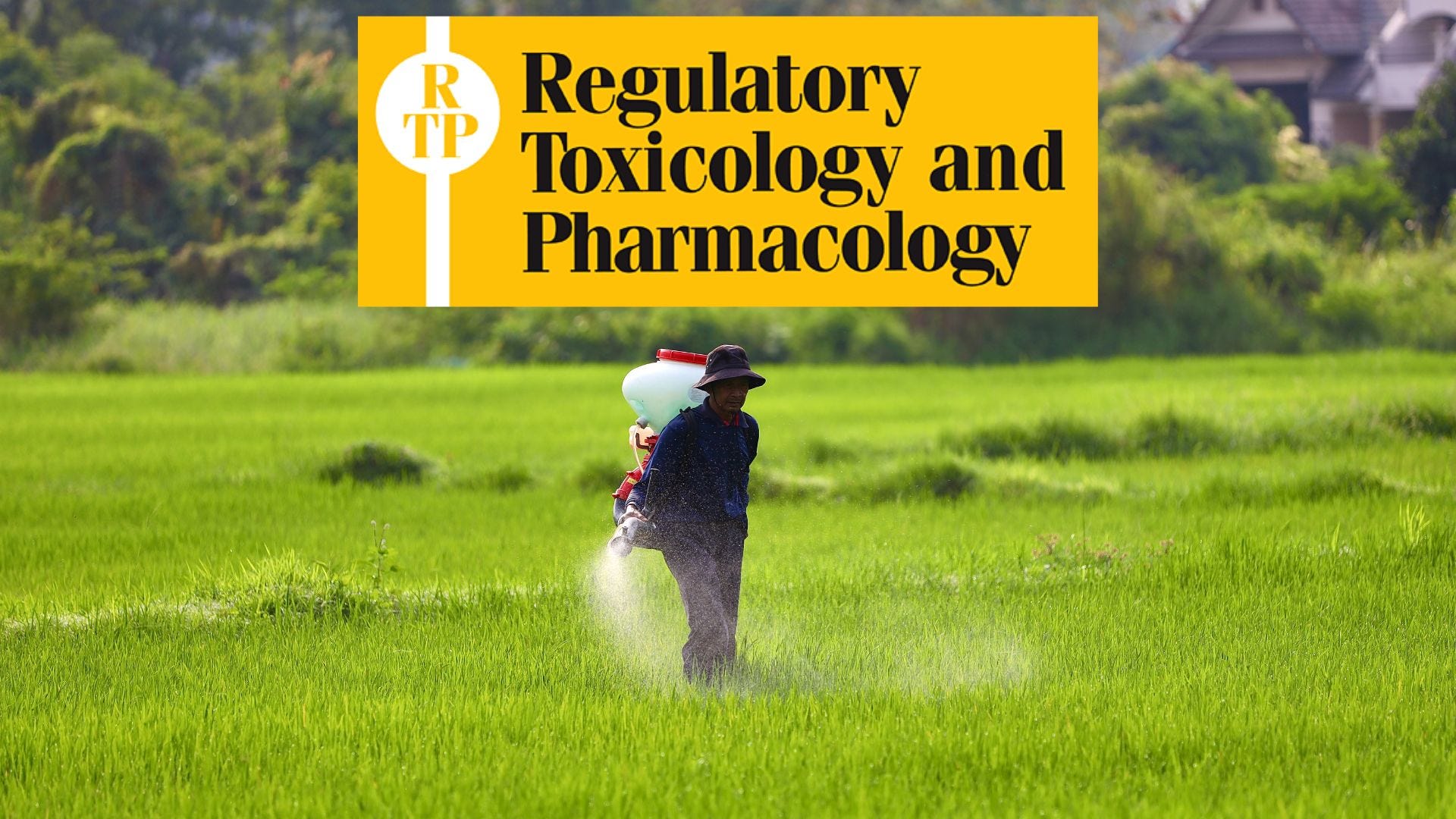
The safety data and labels from pesticides, which the EPA does not put to the test, has consistently been found to downplay risks and conflict with independent peer reviewed research. The International Agency for Research on Cancer classified glyphosate as a probable human carcinogen in 2015. However, the EPA refused to include 67 peer-reviewed publications in their own toxicology review on glyphosate, 82% of which had at least one positive result for genotoxicity. Instead, the EPA cited 109 tests in its review, 87% of which were industry-funded regulatory studies. Just last month, the journal Regulatory Toxicology and Pharmacology officially retracted a Monsanto study published in 2000. The original paper concluded that glyphosate poses no risk of cancer, which helped reinforce Monsanto’s positioning with the EPA that the chemical was safe. However, the ghostwritten study relied almost exclusively on unpublished studies from Monsanto employees and failed to disclose financial compensation provided to the listed researchers.
To summarize, since pesticide labels in line with FIFRA don’t warn of the health risks, Bayer believes it should therefore not be liable for damages. A favorable Supreme Court ruling would give chemical producers complete immunity from all failure-to-warn liability risks. In turn, farmers and Americans would lose access to the only avenue to hold the chemical companies responsible for previous, current, or future damages. The supreme court will begin to hear the case in April and make their decision in June. The Supreme court is expected to side with Bayer, spurring significant optimism among the Bayer executive team, board, and shareholders. Financial analysts estimated that Bayer could save a staggering $7.6 billion that it set aside for glyphosate litigation.
It is extremely important that you continue contacting your State and US Senators and Representatives. The goal of the call to action is increasing support for Senate Bill 2324, A bill to amend the Federal Insecticide, Fungicide, and Rodenticide Act to establish a private right of action for injuries caused by pesticides, and for other purposes. The Bill would protect the rights of American citizens and prevent chemical companies from gaining complete liability immunity, regardless of the Supreme Court ruling.
Here are talking points for speaking with your representatives.
1). Pesticide producers have consistently misrepresented, downplayed, and withheld data on the carcinogenic and reproductive harms of their chemicals. The EPA should be able to update pesticide labels as new data suggests the damaging health, property, and crop risks of pesticides.
2. The EPA should be able to regulate and hold pesticide companies accountable. Stripping these rights endangers farm workers, gardeners, landscapers, school children, and all Americans.
3. Giving liability immunity to pesticide producers endangers Americans and takes away the only way we can take action against them. Americans should be able to take civil action against chemical companies for damages to their health, property, and crops. Americans should not lose these rights because Bayer and other agrochemical companies lobbied Republican lawmakers.
Here is a full list of US House Representatives and their contact information. Here is a full list of US Senators and their contact information.
Support Local Farms and Plant Heirloom Seeds
The best way to resist the agrochemical company’s control on our food supply is to support local farms and plant heirloom seeds. To help you find local food, I mapped over 7,100 local farms, markets, and ranches across the country. To help you start planting at home, I grow, pack, and carry over 180 varieties of heirloom fruits, vegetables, and herbs. All heirloom seed orders placed now through Sunday, January 25 will receive a free pack of companion planting seeds such as, nasturtium, calendula, basil, or dill seeds. The free seeds will be automatically added during fulfillment to orders that included a pack of heirloom seeds.
I am carrying over 25 new seed varieties for the 2026 growing season including, einkorn wheat, fenugreek, Romanesco broccoli, hyssop, black diamond watermelon, sugar snap pea, speckled pea, cannellini beans, delicata squash, red acre cabbage, Thai sweet basil, and little gem lettuce.


